Managed AI Ops · 3 min read

AI Customer Follow-Up for Contractors: Calls, Quotes, Invoices, and Reviews

A practical guide for contractors and home-service teams that need customer follow-up across calls, estimates, invoices, no-shows, and reviews without losing human control.

OS By Omni Studio · 05 Jun 2026
AI Customer Follow-Up for Contractors: Calls, Quotes, Invoices, and Reviews - Omni Studio home-service AI operations hero image

Direct answer: AI customer follow-up for contractors is useful when it drafts missed-call replies, estimate follow-up, invoice follow-up, no-show follow-up, and review requests while keeping sensitive messages behind staff approval. The safe setup is not "AI messages every customer on its own." The safe setup is AI drafts plus owner, dispatcher, estimator, office-manager, or CSR approval where judgment matters.

What AI customer follow-up needs to understand

AI customer follow-up is not just a generic email or SMS sequence. A useful system needs the trigger, job type, customer notes, assigned owner, last touch, current status, next-step promise, and whether the message needs human approval.

The first job is accurate customer context. If the AI cannot read the CRM record, call notes, estimate status, invoice status, job completion state, and workflow owner, the follow-up will sound generic or, worse, make a promise the business did not approve.

Why contractor follow-up breaks

Most contractors do not lose revenue because nobody cares about the customer. They lose momentum because missed calls, estimates, invoice reminders, appointment no-shows, and review requests sit across inboxes, field-service software, spreadsheets, texts, and mental reminders.

AI can help surface the next step, but it still needs source-of-truth fields, clean ownership, and approval rules. Otherwise it becomes a louder version of the same broken follow-up process.

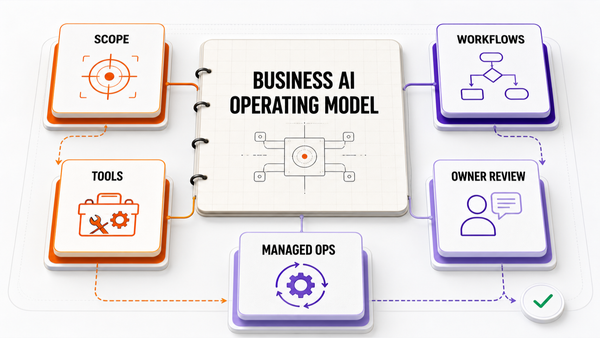
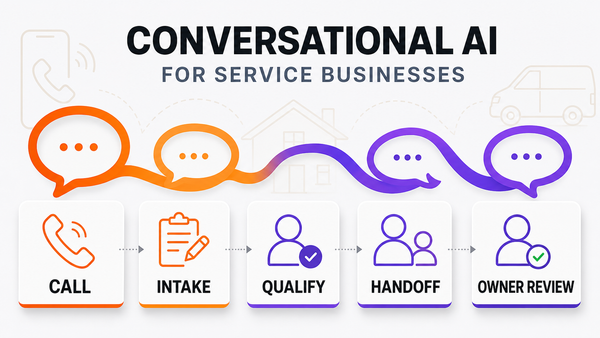
The safe workflow: detect, draft, approve, send, log

Workflow What AI can do Human gate
Missed-call follow-up Draft a fast reply using caller identity, urgency, service area, and call notes. Staff approves arrival windows, emergency language, and pricing-sensitive responses.
Estimate follow-up Find open quotes and prepare a reminder that references the actual estimate stage. Estimator approves pricing, discounts, scope, and schedule language.
Invoice follow-up Draft payment-status reminders and owner alerts when a balance needs attention. Office staff approves financial language, disputes, refunds, and exception cases.
No-show follow-up Draft a recovery message after missed appointments, access issues, or unanswered confirmations. Dispatcher approves rescheduling promises and technician availability.
Review request Prompt happy customers after job completion and route complaints away from review asks. Staff reviews negative signals, warranty concerns, and unresolved service issues.
CRM outcome log Store message, reply, owner, next step, and closed-loop status. Manager reviews missed handoffs and repeated exceptions.

Where contractor follow-up automation usually breaks

The common blocker is not the automation tool. It is unclear operational truth: duplicate contacts, incomplete job notes, no owner, missing quote or invoice status, unclear next step, and no rule for who approves customer-facing messages.

The second failure mode is letting AI send messages it should only draft. Contractors should keep pricing, discounts, change-order language, scope, warranty references, complaints, refund-sensitive situations, and arrival promises behind approval gates.

What to connect first

Start with draft-only customer follow-up queues. The first version should connect missed-call notes, estimate status, invoice status, job completion state, no-show notes, review eligibility, customer owner, last touch, and a CRM or field-service system such as ServiceTitan, Housecall Pro, Jobber, FieldEdge, HubSpot, Airtable, or a structured spreadsheet.

Once the queue is accurate, the next layer is managed monitoring: accepted drafts, rejected drafts, unanswered questions, failed tool calls, unresolved customer replies, and recurring exceptions.

How Omni Studio fits

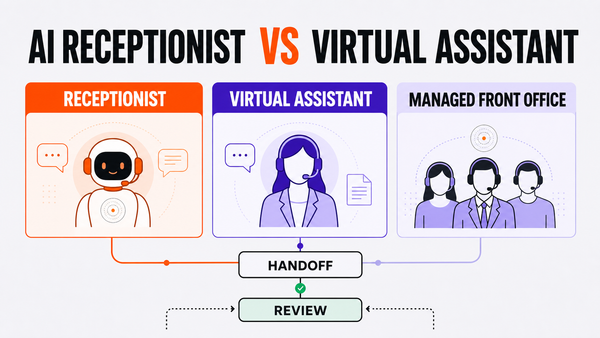
Omni Studio is not a generic drip campaign tool. It is a managed AI operations layer for home-service workflows. For contractors, that means mapping follow-up triggers, approval gates, CRM connections, exception monitoring, QA, and improvement loops after launch.

If you are evaluating AI customer follow-up for contractors, start with an AI automation audit. If the workflow is already near live operations, review managed AI Ops. If you need to decide whether the workflow is ready for AI, use the AI Ops readiness scorecard. For adjacent workflows, read home service CRM automation, estimate follow-up automation for contractors, and Zapier vs Make vs n8n for home service automation.

FAQ

What is AI customer follow-up for contractors?

AI customer follow-up for contractors drafts and routes next-step messages after missed calls, open estimates, invoices, no-shows, job completion, and review moments while keeping sensitive customer communication behind staff approval.

Should AI automatically send follow-up messages?

For most home-service contractors, the safer first version is draft-only or approval-gated. AI can prepare the message, but staff should approve pricing language, schedule promises, complaints, refunds, warranty references, and unusual customer situations.

What customer follow-up workflows should contractors automate first?

Start with missed-call follow-up, estimate follow-up, invoice follow-up reminders, no-show follow-up, review requests after completed jobs, CRM cleanup, and owner alerts for unanswered questions.

How does Omni Studio help contractors with customer follow-up?

Omni Studio builds and manages the operational layer around contractor follow-up: workflow mapping, CRM connections, approval queues, exception monitoring, QA, and improvement loops after launch.

OS
Omni Studio