Field Service & Back Office AI · 1 min read
AI Receptionist for Plumbers: Emergency Calls, Booking, and Dispatch Control
A practical guide for plumbing companies using AI receptionists to capture missed calls, qualify urgent leak and drain requests, collect service-area and booking context, and keep dispatch promises approval-gated.
The Omni model: one managed AI Employee owns one recurring workflow; specialist employees add capacity around the same business context; your team keeps the judgment calls.

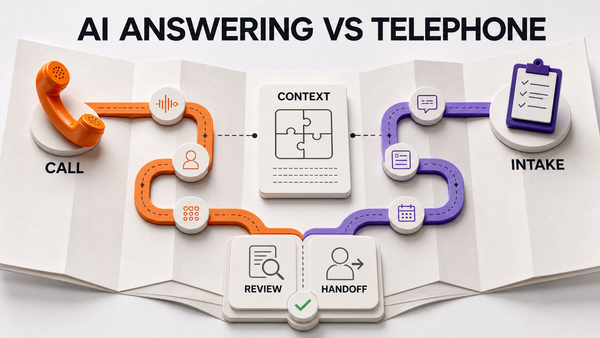
 Direct answer: An AI receptionist for plumbers should capture missed calls, identify the issue type, qualify urgency, check service-area fit, collect booking context, draft a dispatch or callback task, and route pricing, repair advice, arrival-time promises, parts availability, and safety-sensitive language through a human approval gate. For plumbing companies, the goal is not just answering more calls. It is turning urgent demand into clean, reviewable booking and dispatch records.
Plumbing calls need urgency and context
A plumbing company can receive very different calls in the same hour: active leak, clogged drain, water heater issue, sewer backup language, quote request, maintenance request, warranty question, or after-hours callback.
A generic receptionist script may capture a name and phone number, but plumbing intake needs enough structure for the office to prioritize the request without giving repair advice, promising arrival times, or inventing price and parts availability.
The plumbing intake stack
| Intake layer | What the AI should capture | Approval rule |
|---|---|---|
| Issue type | Leak, drain, water heater, sewer backup language, fixture issue, maintenance, quote request, or callback. | Capture customer language; do not provide DIY repair advice. |
References
Authoritative sources referenced in this article: