Reliability & Guardrails · 5 min read

AI Automation Rollback Plan: What To Decide Before Launch

AI Automation Rollback Plan: What To Decide Before Launch: a buyer-focused guide to workflow fit, approval gates, monitoring, and Omni Studio's implementation path.

OS By Omni Studio · 03 Jun 2026
Omni Studio operator control-plane visual for AI Automation Rollback Plan: What To Decide Before Launch.

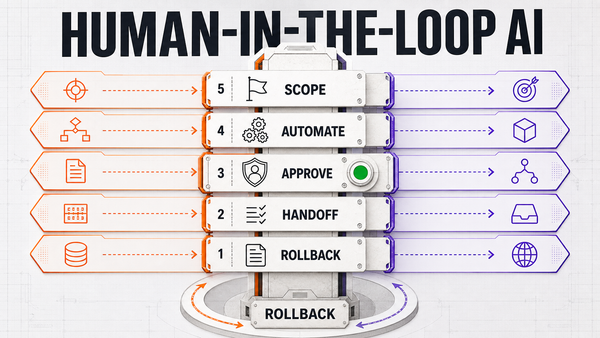
Direct answer: An AI automation rollback plan defines how to pause, revert, route to humans, restore prior workflow behavior, and notify owners when an automation produces risk or fails a quality gate.

This guide is for business owners, COOs, ecommerce operators, and service-business leaders who are choosing how to buy AI implementation help. The goal is not more AI content. The goal is a page that helps a buyer decide whether Omni Studio is the right partner for an audit, implementation sprint, or managed AI Ops retainer.

Why This Keyword Has Sales Intent

Buyers trust AI implementation more when they know what happens if something goes wrong. A rollback plan makes launch safer because failure paths are designed before the first live run.

Searches for AI automation rollback plan usually come from someone comparing vendors, tools, or implementation paths. That means the page must answer the buying decision plainly: what the workflow is, where AI fits, what must stay gated, what proof matters, and what the next commercial step should be.

Decision Table

Option When it fits Risk to watch
No rollback Useful for simple, narrow work with low context needs. Can become brittle when judgment and source context matter.
Controlled rollback Useful when the workflow needs context, review, monitoring, and ownership. Can become risky if permissions and evals are skipped.
Owner signal Best when the team wants one safe starting workflow before expanding. Can stall if no owner reviews results.

What Omni Should Own

Omni should own the operating layer around this problem: workflow mapping, source review, permission design, eval examples, implementation, launch gates, monitoring, and improvement. The page should avoid broad AI promises and instead show a practical path from one messy workflow to one monitored operating lane.

The strongest buyer signal is not "we want AI." It is "we have a recurring workflow, a known owner, source systems, and a reason the current process is too slow or risky." That is where Omni can sell a scoped audit first, then a build sprint, then managed operations.

Approval-Gated Operating Model

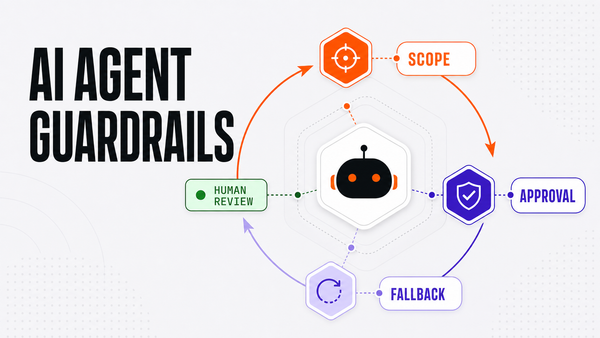
Every revenue page should repeat the same model because it is the core Omni POV: read-only context, draft-only outputs, recommend-and-route, execute with approval, and never-execute for risky actions. Sensitive work includes public content, customer replies, refunds, pricing, legal language, policy changes, and irreversible record updates.

This model helps search engines and AI answer systems understand that Omni is not selling reckless autonomy. It also helps buyers feel safer because the implementation path has a visible control system.

Implementation Roadmap

  1. Choose one workflow. Pick the repeated bottleneck with a clear owner and measurable pain.
  2. Map the current process. Document inputs, systems, decisions, exceptions, and handoffs.
  3. Define source authority. Decide which docs, records, dashboards, or tickets the workflow can trust.
  4. Set permissions. Decide what AI can read, draft, recommend, route, execute with approval, or never touch.
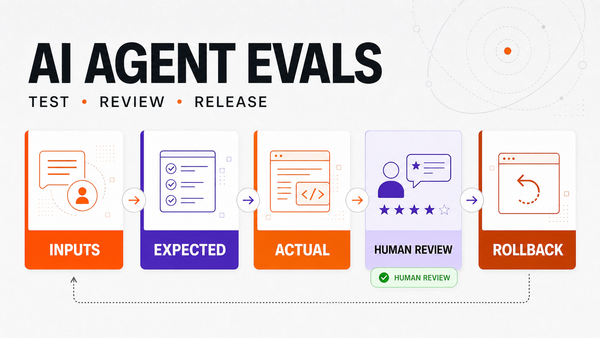
  5. Build eval examples. Use real examples to test quality before live use.
  6. Launch draft-first. Keep sensitive outputs in human review until the workflow proves itself.
  7. Monitor weekly. Review rejects, failed tool calls, missing context, cost, latency, and improvement opportunities.

What To Measure

Useful metrics include accepted drafts, rejected drafts, failed tool calls, source freshness, unresolved exceptions, approval latency, cost, workflow cycle time, and owner confidence. These measures are more useful than generic productivity claims because they show whether a workflow is getting safer and more useful over time.

For AI automation rollback plan, the best page should turn those metrics into a clear buying path. If the buyer can see how Omni scopes, builds, tests, launches, and operates the workflow, the page has a better chance to become a sales asset instead of just another AI article.

The Buyer Signal Omni Should Listen For

The best buyer signal is operational specificity. A strong prospect can name the queue, handoff, report, reply, record, or approval flow that is slowing the business down. A weak prospect only says they want AI everywhere. Omni should use this page to guide the buyer toward the specific version of the problem because specificity is what makes implementation possible.

For example, the useful version of the question is not "Can AI help our company?" It is "Can AI draft the weekly operations report from approved dashboards, route exceptions to the right owner, and keep every public or financial action in review?" That version of the question gives Omni a workflow, a permission boundary, and a measurable outcome.

What The First Audit Should Produce

The first audit should produce a workflow map, source register, permission ladder, eval outline, risk list, and implementation recommendation. It should also decide whether the work belongs in a quick automation, a custom agent workflow, a human-in-the-loop process, or a managed AI Ops retainer. A buyer should leave the audit knowing what to build first and what not to automate yet.

This is important for revenue because buyers do not only buy ideas. They buy confidence. A clear audit output makes the next step easier to approve because the owner can see scope, cost logic, risk boundaries, and the reason the recommended workflow comes first.

How This Becomes A Retainer

The retainer path begins when the first workflow is useful enough to operate but important enough to keep improving. Omni can review logs, failed actions, rejected drafts, missing source context, cost, latency, and new workflow requests. That cadence turns a one-time AI build into a managed operating layer.

The retainer should not be framed as vague maintenance. It should be framed as ongoing workflow ownership: keeping the source material fresh, updating evals, tightening instructions, reviewing exceptions, and identifying the next workflow only when the current one is stable. That is the kind of offer business owners can understand and budget for.

Failure Modes To Avoid

Do not start with too many workflows. Do not let AI touch public or financial actions before approval rules exist. Do not connect tools without a source-of-truth plan. Do not skip evals. Do not launch without monitoring. Do not sell guaranteed ROI, guaranteed revenue, or perfect automation. Good implementation is specific because operations are specific.

The right page should make these risks visible. A buyer who sees the risks handled with calm, practical controls is more likely to trust Omni with the first audit.

Buyer Questions To Ask

  • Which workflow should we automate first, and why?
  • What source systems will the workflow trust?
  • Which actions are read-only, draft-only, approval-gated, or never allowed?
  • What eval examples will prove the workflow is good enough?
  • Who reviews failures after launch?
  • What does the managed operating cadence include?

Source Notes

This page is based on the current market language around AI agents, workflow automation, Shopify automation, no-code/low-code agent tooling, and Google AI/Search eligibility fundamentals.

Related Omni Reading

Next Step

Design rollback before launch. The right first step is a scoped workflow audit that identifies one high-value workflow, one source-of-truth map, one permission boundary, and one controlled implementation path.

FAQ

What should a business decide before buying help for AI automation rollback plan?

The business should identify the workflow, owner, source systems, sensitive actions, success measure, and launch risk before buying implementation help.

Should AI be fully autonomous in this workflow?

Usually no. The safer first version should be read-only, draft-only, or approval-gated until the workflow has enough proof to expand.

How does Omni Studio make this useful for a buyer?

Omni turns the buyer question into an audit, implementation sprint, and managed AI Ops cadence so the workflow can be built, reviewed, monitored, and improved.

OS
Omni Studio