Platform Comparisons · 2 min read
Make vs Custom AI Automation: A Buyer-Side Comparison
Make vs Custom AI Automation: A Buyer-Side Comparison: a buyer-focused guide to workflow fit, approval gates, monitoring, and Omni Studio's implementation path.
The Omni model: one managed AI Employee owns one recurring workflow; specialist employees add capacity around the same business context; your team keeps the judgment calls.

Direct answer: Make is useful for visual scenario automation, while custom AI automation fits workflows that need deeper context, business-specific instructions, approval gates, evals, and managed improvement.
Automation approaches compared
| Approach | Setup effort | Flexibility | Ongoing ownership | Best for |
|---|---|---|---|---|
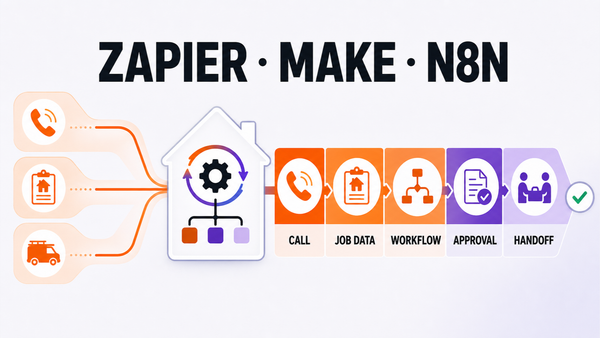
| No-code tools (Zapier / Make / n8n) | Low | Medium | Owner-managed | Simple, predictable triggers |
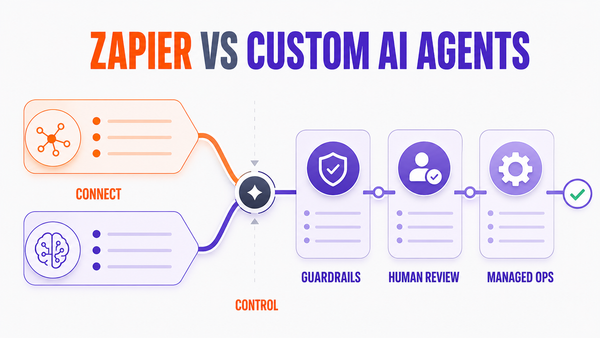
| Custom AI agents | Medium–High | High | Owner + developer | Judgment, language, exceptions |
| Managed AI Ops (Omni Studio) | Low for the buyer | High | Operator-managed with owner approval | Teams that want AI without running it alone |

This guide is for business owners, COOs, ecommerce operators, and service-business leaders who are choosing how to buy AI implementation help. The goal is not more AI content. The goal is a page that helps a buyer decide whether Omni Studio is the right partner for an audit, implementation sprint, or managed AI Ops retainer.
Why This Keyword Has Sales Intent
Teams comparing Make with custom AI automation usually want leverage but fear overbuilding. The decision should be based on workflow complexity, review needs, integration ownership, and how the system will be operated.
Searches for Make vs custom AI automation usually come from someone comparing vendors, tools, or implementation paths. That means the page must answer the buying decision plainly: what the workflow is, where AI fits, what must stay gated, what proof matters, and what the next commercial step should be.
Decision Table
References
Authoritative sources referenced in this article: